
Introduction
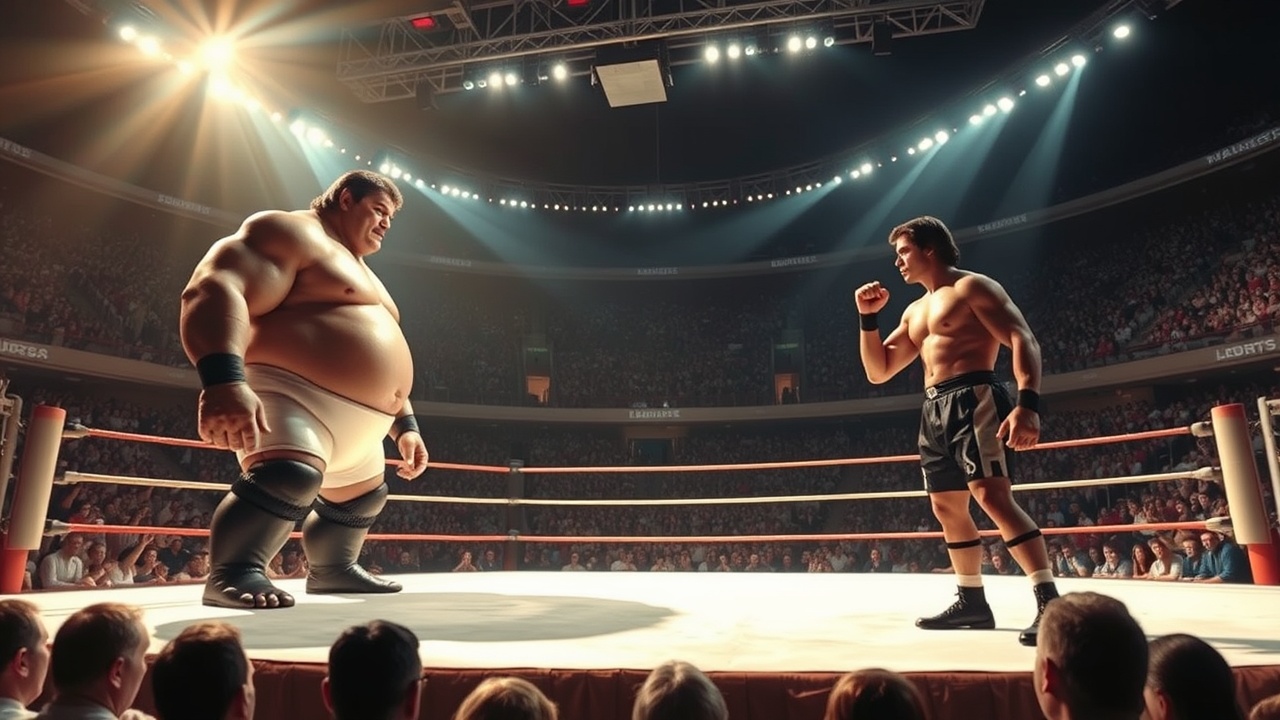
In the annals of combat sports history, few matches stir as much debate and intrigue as the face-off between two towering figures from very different worlds: Andre the Giant, an iconic pro-wrestling behemoth, and Chuck Wepner, known as the real-life inspiration for the character Rocky Balboa. Their bout, held on June 25, 1976, at Shea Stadium in New York, drew a massive crowd of 33,000 and has since led fans and analysts alike to question whether the contest was a legitimate athletic engagement or merely a scripted display designed for entertainment.
The Context of the Match
Sean Wheelock, a seasoned commentator and historian in combat sports, delves into this enigma in his latest piece for the “Uncrowned” series. He meticulously examines the backdrop of this clash which was part of an electrifying wrestling card labeled “Showdown at Shea”, directed by Vince McMahon Sr., and coincidentally timed with the notorious Muhammad Ali vs. Antonio Inoki match happening simultaneously in Japan, further fueling the marketing spectacle dubbed “War of the Worlds.”
The Fighters
Andre was a heavyweight sensation, heralded as ‘The Eighth Wonder of the World’, boasting an imposing 7-foot-5, 463-pound frame. By comparison, Wepner, standing at 6-foot-5 and weighing in at 232 pounds, had earned a reputation as a tough contender nicknamed ‘The Bayonne Bleeder’ from his prior battles, particularly his valiant but ultimately unsuccessful title fight against Ali. With a wealth of knockout victories behind him, including a recent triumph over Tommy Sheehan just a month prior, Wepner entered the fray with wrestling gloves and a fighter’s ambition, but also in the twilight of his boxing career at 37 years old.
The Match Dynamics
The dynamics of their encounter were governed by a unique set of rules: Andre could employ his wrestling techniques, yet Wepner was limited to punches thrown while adhering to boxing protocols. The match lasted nearly eight minutes, filled with moments of striking exchanges, clinches, and episodes that left observers questioning the authenticity of the contest. Wepner’s strategy involved jabs, quick footwork, and repositioning against the ropes to escape Andre’s grappling maneuvers, but it was Andre who ultimately took control with his overpowering style that only sporadically revealed the finesse of a seasoned wrestler.
Aftermath and Legacy
The concluding moments of the bout were chaotic, culminating in Wepner being tossed over the top rope. An ensuing skirmish erupted post-bell, which further muddied the waters regarding the match’s integrity. Interestingly, the mainstream media of the time predominantly framed the event as a genuine contest, generating additional confusion as conflicting narratives arose.
Looking back at this curious event, Wepner has provided varying accounts, suggesting that while he was aware of the showman aspect of pro wrestling, the match itself featured unwritten moments of unpredictability and aggression. Furthermore, critics including Wheelock have dissected the actions in the ring, weighing signs of authenticity against the scripted nature of professional wrestling, leading to tantalizing queries about what truly transpired that summer evening.
Conclusion
The complexity and the odd blend of sincerity and theatricality surrounding the Wepner versus Andre encounter earn it a significant place in sports history. Not only did it capture an electrifying moment in entertainment but it also left a lingering question: Was this bout merely a choreographed spectacle, or did it possess the rawness of a real fight? For fans, both debatable outcomes add to the charm of the event, enhancing its legacy in the subculture of mixed-match fighting.
As Wheelock concludes, the forgotten match was certainly an entertaining showcase and perhaps, more than anything, a testament to the enduring allure and unpredictability of combat sports – whether in or out of the ring.