
David Haye’s Return to Reality Television
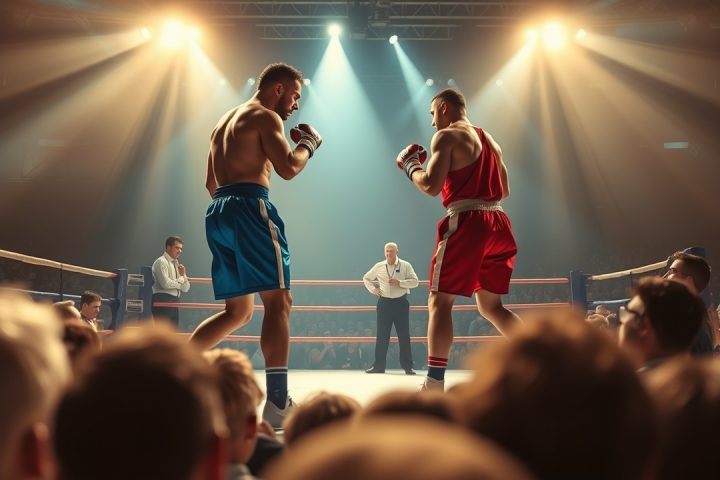
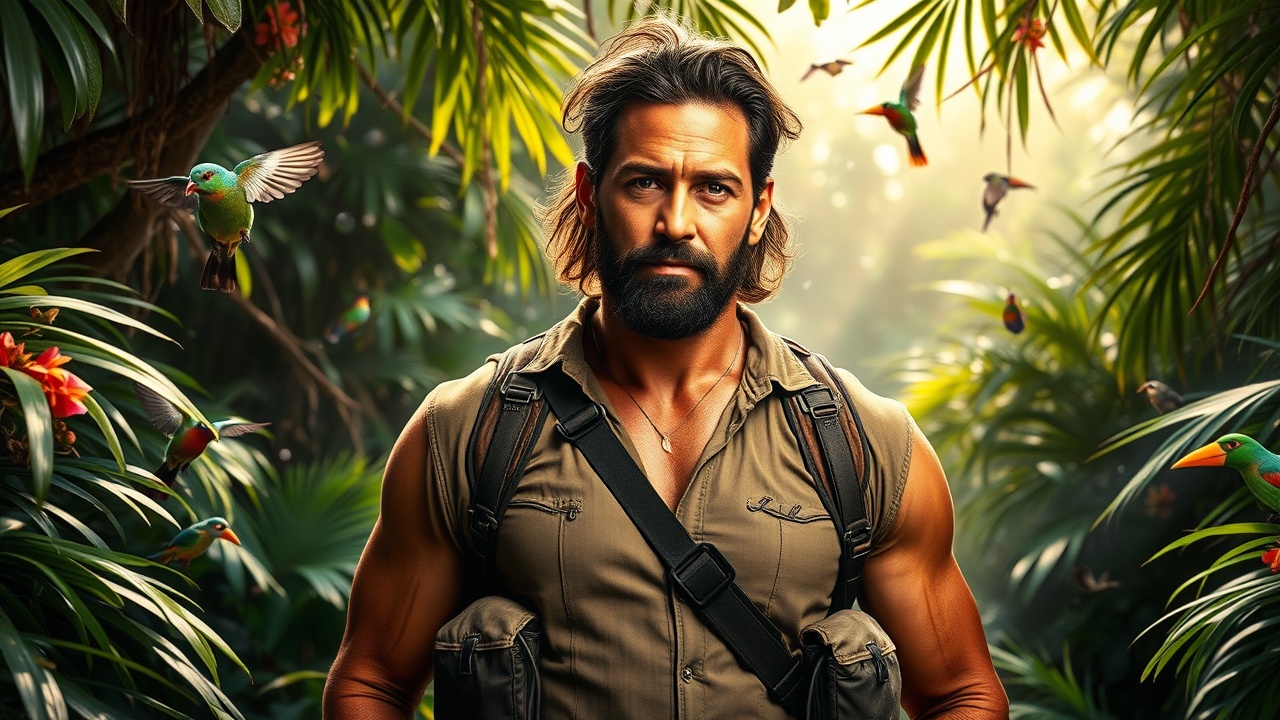
Former boxing champion David Haye has made his comeback to reality television, stepping back into the jungle where he first appeared over a decade ago. From the outset, it’s clear that the competitive spirit which defined his boxing career is still very much alive.
Controversial Decisions in the Jungle
In the initial episodes of this all-star series, Haye stirred up controversy by choosing to expel Beverley Callard from his team instead of adding her, showcasing a fierce strategy reminiscent of his time in the ring. He reinforced this aggressive approach by favoring comedian Seann Walsh over singer Sinitta in another team selection, demonstrating that the former cruiserweight and heavyweight titleholder has seamlessly shifted his win-at-all-costs mindset from boxing into the world of reality TV.
However, his choices were ultimately countered by fellow contestants Ashley Roberts and Mo Farah, indicating that Haye may not always have the final say in this new arena.
Haye’s Athletic Journey
For those familiar with Haye’s athletic journey, his aggressive decision-making comes as no surprise. He rose to prominence as a boxer with a strong drive, having initially secured the unified cruiserweight title from Jean-Marc Mormeck in France. Following that success, he made headlines in 2009 when he triumphed over the formidable Nikolai Valuev to capture the WBA heavyweight title. This remarkable victory not only solidified his status as a champion but also catapulted him into mainstream recognition, leading to numerous opportunities in the entertainment sector, including reality television.
Crossover Success in Boxing
Haye’s ascent into the public eye places him alongside other boxing legends like Amir Khan, Nigel Benn, and Barry McGuigan, who have also achieved significant fame beyond the sport. The pressing question now is whether current and upcoming boxers will be able to replicate this level of crossover success. Although figures like Carl Frampton and Carl Froch have garnered attention in the past decade, the landscape for mainstream TV has changed, making it potentially more challenging for new fighters to emerge as entertainment personalities.
The Future of Boxers in Entertainment
Tony Bellew, who famously fought against Haye, is one of the rare recent boxers to transition into reality television, extending his own fame post-rivalry. This raises the question of whether Haye’s successful television presence points to a dwindling connection for former fighters looking to create similar trajectories in the entertainment world.
Conclusion
While it remains to be seen if today’s boxers can match the legacy of their predecessors, Haye’s return to the jungle is a potent reminder that the right mix of charisma and a storied career can still draw significant public interest and prove that the sharp competitive edge that defined his athletic career remains intact.