
MLB’s Labor Negotiations and Olympic Participation
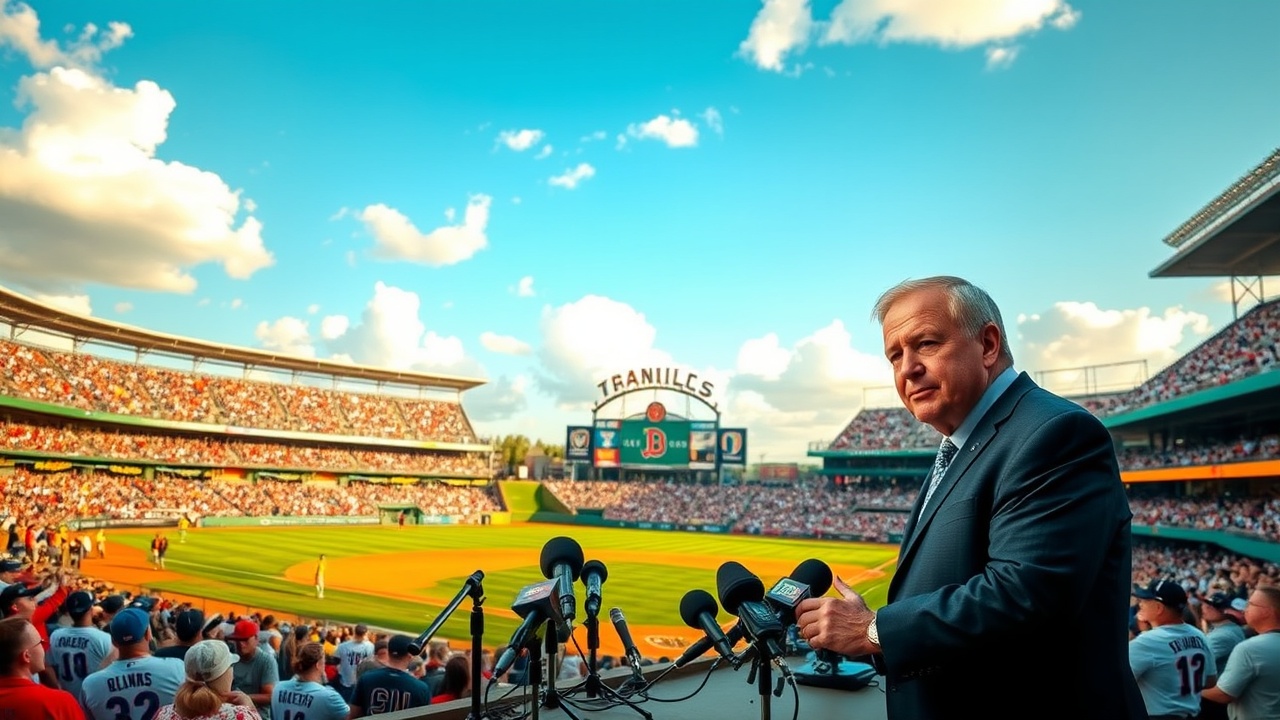
As Major League Baseball (MLB) gears up for its 2027 season, uncertainties loom over its labor negotiations, which may affect the participation of top players in the 2028 Olympics in Los Angeles. The MLB Players Association (MLBPA) is currently in talks with MLB, the International Olympic Committee (IOC), the Los Angeles organizing committee for the Olympic and Paralympic Games, and the World Baseball Softball Confederation concerning a six-nation baseball event set for Dodger Stadium from July 13-19, potentially during an extended midseason break.
Collective Bargaining Agreement and Potential Work Stoppages
The current collective bargaining agreement is scheduled to expire on December 1, prompting anticipated discussions between MLB and the players’ union starting in April or May. With a management lockout expected to commence on December 2, Bruce Meyer, the newly appointed acting head of the MLBPA, highlighted potential work stoppages in 2027 as a serious issue that could jeopardize the inclusion of MLB players in the Olympic baseball competition. This would mark the first significant disruption of regular-season games since a similar labor dispute in 1995.
Meyer emphasized, “If we don’t have a season, we’re not going to play in the Olympics,” underlining the stark reality that any disruption in 2027 could exclude MLB stars from Olympic competition in 2028.
Logistical Challenges for Olympic Participation
Key logistical challenges still need to be addressed regarding player accommodations and insurance before MLB competitors can participate in the Olympics. Traditionally, the MLBPA and MLB share costs, but as Meyer noted, several matters regarding housing, security, and transportation still require resolution.
Players generally receive luxury accommodations as per their labor contract, and there are reservations about them staying in typical Olympic dormitory-style housing. Meanwhile, for those players who won’t make it to the Olympics, the league is contemplating organizing exhibition games against each other or minor league affiliates.
Optimism Amid Challenges
At the World Baseball Classic, which drew a sizeable crowd of 34,548 for Saturday’s quarterfinal, Meyer spoke about the challenges facing the MLB in a market like Miami, where fan interest in baseball is evident, though arguably underutilized by the local franchise. He reflected on the need for MLB and the union to iron out many logistical issues while remaining optimistic about finding solutions in time for the 2028 Olympics.
Future of Olympic Baseball
As the discussions unfold, it is vital for MLB and the union to find common ground to ensure that big league talents can compete on the Olympic stage. The Dominican Republic and Venezuela have already secured their spots, alongside the host United States, with further qualifications from Asia and Europe/Oceania pending in upcoming tournaments.
Meyer, who stepped into the role of acting union head following the resignation of Tony Clark, now faces the task of navigating these negotiations amid challenges arising from both labor relations and planning for the Olympics.