
Chicago Bulls’ Informal Minicamp
In August 2024, well in advance of the upcoming training camp, a select group of Chicago Bulls players convened in Miami to kick off an informal minicamp, signaling a shift in the team’s approach. For years, the organization had expressed an internal desire to revamp its offensive strategy, and this summer, it began taking steps toward that goal by overhauling the roster. Notably, DeMar DeRozan was shipped to Sacramento, a pivotal move that underscored the team’s changing priorities.
Significant Trades and New Directions
Two weeks prior to DeRozan’s departure, the Bulls made a significant trade involving defensive anchor Alex Caruso, sending him to the Oklahoma City Thunder in exchange for then-21-year-old guard Josh Giddey. The Bulls viewed Giddey as a potential cornerstone player for a new era characterized by a faster pace and more collective ball movement. However, Coach Billy Donovan knew that convincing a squad used to one of the slowest tempos in the league to make such a leap would require a dramatic shift in mindset and gameplay.
Radical Changes in Gameplay
In preliminary discussions before the Miami minicamp, Donovan proposed a radical concept: playing scrimmages with a 14-second shot clock. The idea was met with skepticism.
“These guys hated it at first,” Donovan recounted to ESPN. “I told them we have to start playing this way before training camp. We can’t just jog up and down the floor for three weeks and expect to switch gears come camp.”
Season Performance and Challenges
Despite the Bulls improving their pace dramatically from 28th in the league in 2023-24 to second the following season, their win-loss record remained stagnant at 39-43, leading to another disappointing exit in the play-in tournament. However, the Bulls saw promise in their performance over the last 20 games of the season, finishing with a 14-6 record and taking inspiration from the Indiana Pacers’ deep playoff run, which featured a similarly fast-paced offense.
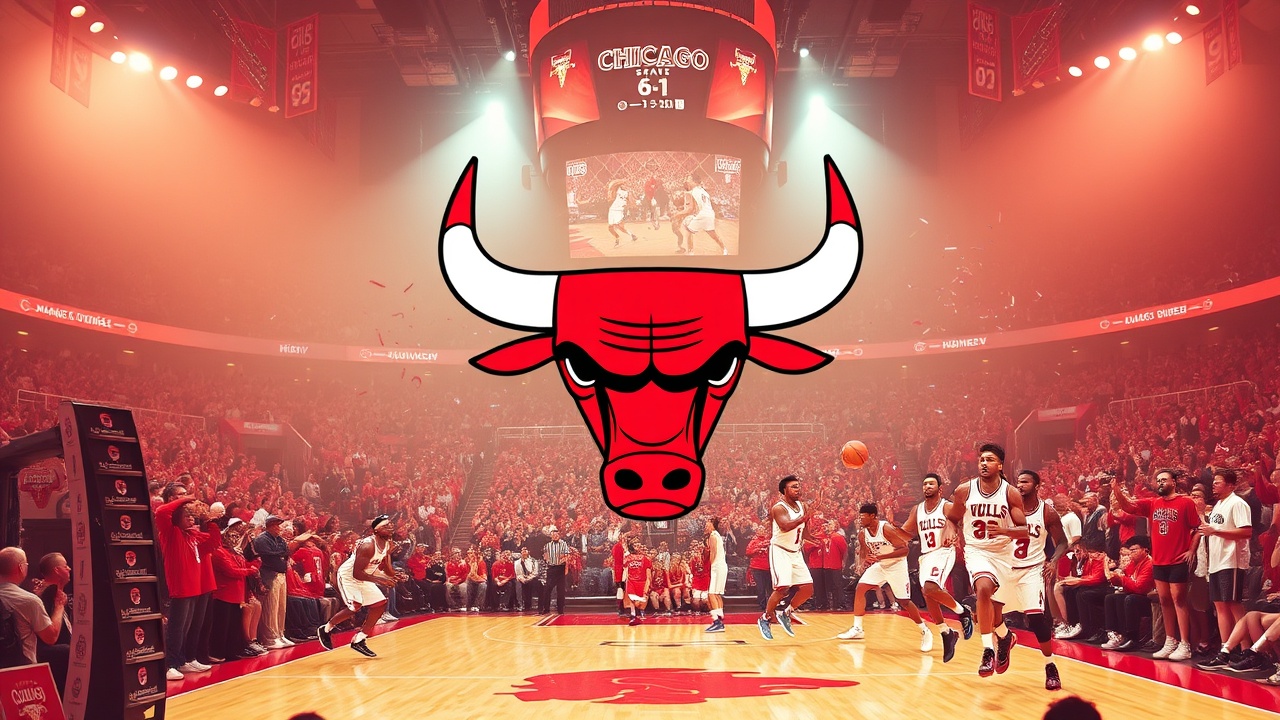
Fast forward to the start of the 2025-26 season, and the Bulls opened strong with a 6-1 record, showcasing their best pace in years and generating excitement at the United Center. Unfortunately, this optimism quickly faded as the team stumbled to a 9-10 record, dropping from first in the Eastern Conference to a mere position in the play-in conversation. This raises a critical question for Chicago: Did they truly evolve as a team, or was their early success merely an illusion?
Emulating Success and Future Prospects
During their initial winning streak, some within the organization expressed cautious optimism about their potential sustainability. One source remarked,
“Let’s see where we are at about 20 games.”
As the Pacers showcased a roster filled with versatile players and a commitment to rapid ball movement, Bulls players recognized that they needed to emulate that success. Donovan emphasized,
“We must be better than the sum of our parts… People look at Indiana’s pace, but their physicality on defense is equally crucial for our evolution.”
With the successful integration of Giddey into the system, who spent his summer working diligently to improve his shooting and physical play, there is optimism that he could lead the Bulls to a brighter future. Giddey, now averaging nearly a triple-double with 20.5 points, 10.0 rebounds, and 9.3 assists, has become a focal point of Chicago’s offensive strategy, contributing to a newfound team identity based on assist percentage and balanced scoring.
Defensive Challenges and Management’s Vision
However, the Bulls face challenges on defense, especially noted by veteran Nikola Vučević, who criticized the team for a lack of toughness and consistency. As the Bulls went from a promising start to a string of disappointing performances, including significant losses against teams with lackluster records, Vučević’s warnings about maintaining quality on the court resonated strongly.
Even with the ups and downs, Chicago’s management is aiming to bolster its roster and has laid plans for their future, holding multiple draft picks and contemplating moves that could involve well-known players like Anthony Davis, a Chicago native, without sacrificing their young core. As the Bulls navigate the complexities of reconstruction and identity formation, veteran Coby White reminds everyone involved that establishing a winning culture and a cohesive team identity takes time and patience, and cannot simply be flipped like a switch.