
Cavaliers vs. Pistons: A Heartbreaking Overtime Loss
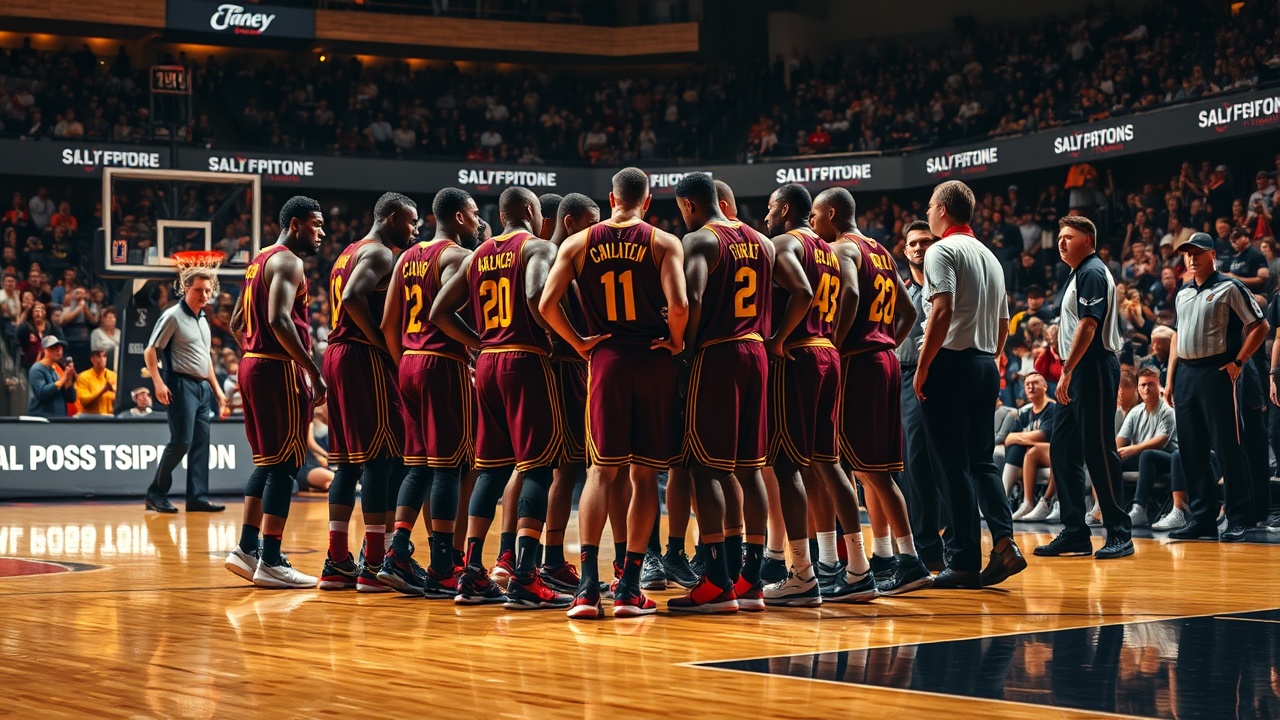
On February 24, 2026, the Cleveland Cavaliers faced off against the Detroit Pistons in a tightly contested matchup at Rocket Mortgage FieldHouse, ultimately suffering a heartbreaking 122-119 defeat after overtime. This loss was particularly frustrating for the Cavaliers, as they squandered multiple opportunities to secure a win, missing key free throws and being unable to execute critical plays in crucial moments of the game.
Officiating Errors Impacting the Game
Post-game analysis revealed significant officiating errors that affected the final outcome. According to the NBA’s Last Two-Minute Report, four incorrect calls during the closing moments of regulation and overtime failed to go in favor of the Cavaliers, with three of these errors benefiting the Pistons. The report identified specific instances where referee oversight directly influenced the game’s momentum.
In one pivotal moment, with under two minutes remaining, Jaylon Tyson committed a turnover that should have been negated by a foul on Jalen Duran, who impeded Jarrett Allen‘s ability to pass. The league’s report highlighted that Duran’s contact with Allen’s wrist resulted in an errant pass, although this foul was not called.
Had it been called, the Cavaliers might have closed out what appeared to be a secure lead, especially considering that Pistons’ star Cade Cunningham had already fouled out of the game.
Another critical missed call came when Allen was assessed a shooting foul against Duran, leading to free throws during the closing seconds of regulation. The report noted that Allen legally blocked Duran’s shot, thereby denying the Cavaliers their leading player’s contribution for the remainder of the game.
This decision stirred frustration in the Cavaliers’ locker room, with Allen diplomatically stating that while he didn’t personally feel the foul was justified, he understood referees have varied perspectives.
Questionable Calls and Missed Opportunities
Interestingly, Cleveland did manage to receive a questionable call in their favor when Marcus Sasser was incorrectly adjudged to have knocked the ball out of bounds after dislodging it from Tyson’s hands. This error provided Evan Mobley with a chance to win the game at the line; unfortunately, he only converted one of two shots, leaving the door open for Detroit to equalize.
Furthermore, a critical foul was missed at the end of overtime when Sam Merrill was not awarded three free throws after Sasser’s overly aggressive close-out led to contact after Merrill’s shot release. The oversight on this call raised eyebrows, as clear foul violations typically result in free throw attempts at all levels of play.
Adding to the mixture of missed judgments, the NBA confirmed a late-breaking foul against Daniss Jenkins for a shot attempt where contact by Tyson occurred with less than five seconds on the clock. The officials deemed Jenkins was in the shooting motion at the time, reinforcing the notion that some calls were indeed handled correctly.
Conclusion: A Game of Missed Chances
Despite the fallout from these officiating blunders, the Cavaliers had multiple chances to clinch the victory, highlighting the competitive nature of the game. However, it is clear that had any of the misjudged calls been corrected, the game’s outcome could have been significantly altered in favor of the Cavaliers, leaving the team and their fans to grapple with the implications of these critical late-game decisions.