
The Evolution of NHL Rosters
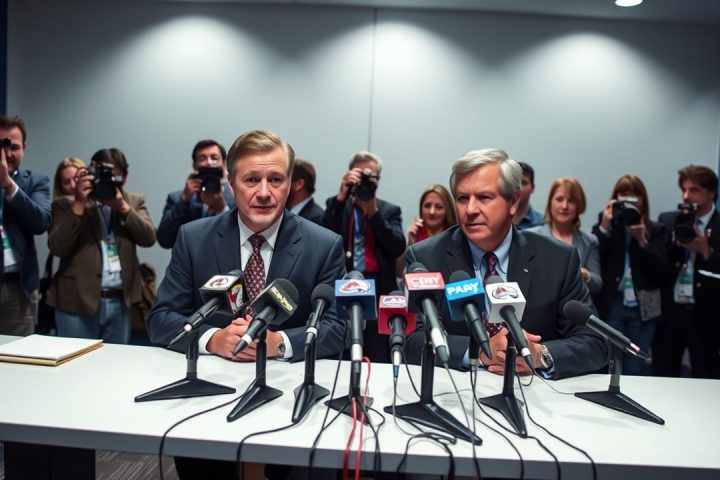
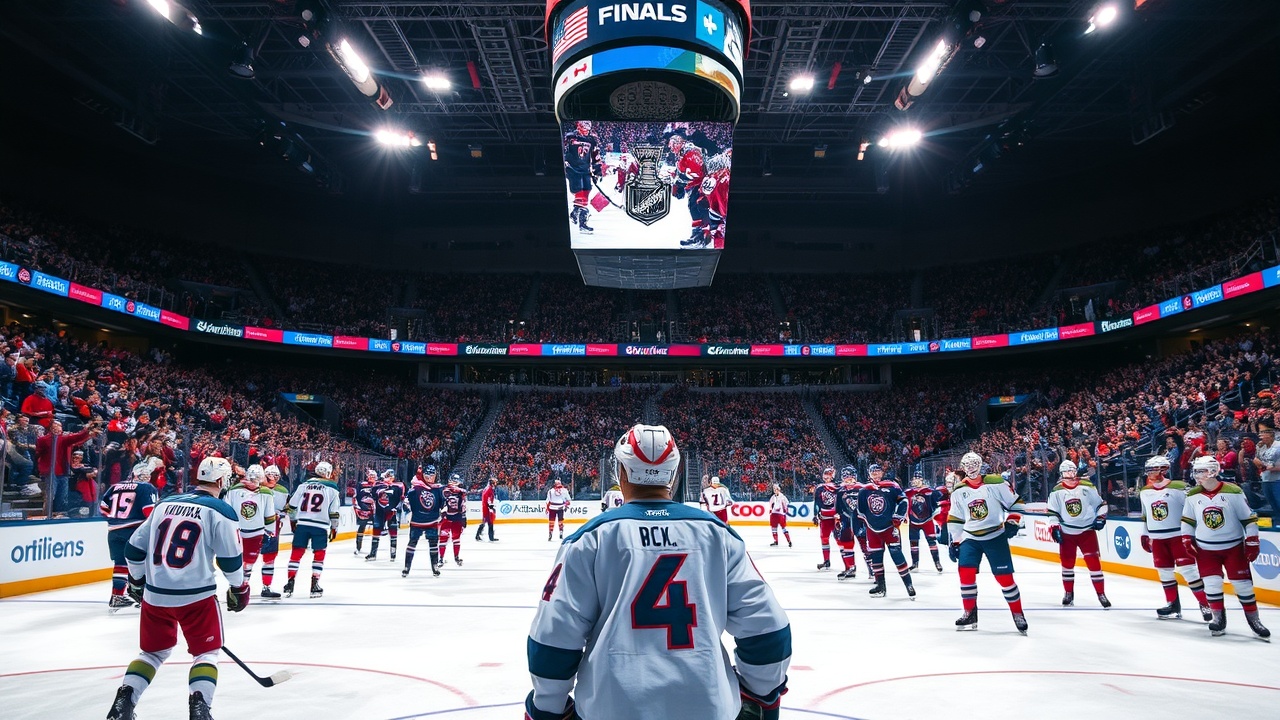
The construction of an NHL roster evolves continuously, but it receives heightened attention during the Stanley Cup Finals—a time when the entire hockey community scrutinizes the different strategies teams leveraged to secure their position in the champion’s battle. This year, the spotlight is on the Carolina Hurricanes and the Vegas Golden Knights, both of whom have navigated their own unique philosophies to reach the 2026 Stanley Cup Final.
Team Philosophies and Leadership
The Hurricanes, a team known for their meticulous planning, have become a playoff regular, reaching the postseason in every season since 2018 and making deep runs, with four visits to the Eastern Conference finals. The franchise has seen leadership changes with Don Waddell overseeing operations before moving to the Columbus Blue Jackets, and Eric Tulsky stepping into his role. Under Tulsky’s direction, the Hurricanes have now made their third appearance in the Cup Final.
In contrast, the Golden Knights, who burst onto the NHL scene as an expansion team, enjoyed immediate success by making it to the Cup Final in their inaugural season (2017-18). Keeping pace with that success, they have qualified for the playoffs in all but one year since. Their roster has been shaped primarily by Kelly McCrimmon, who took over from George McPhee in 2019. McCrimmon’s aggressive tactics have already delivered a Stanley Cup win in 2023 and a return to the finals in 2026.
Coaching Dynamics
One distinct contrast between the two franchises lies in their coaching dynamics. Carolina has maintained continuity with Rod Brind’Amour at the helm since 2018, while Vegas has cycled through coaching staff multiple times. John Tortorella is now at the controls after taking over from Bruce Cassidy—who himself brought a Cup to the team in 2023.
Team Identity and Performance
Each team has developed its identity: The Hurricanes emphasize puck possession and structure, boasting a remarkable 59.39% shot share in 5-on-5 play throughout the playoffs, a performance that has led them to have the lowest shots allowed and one of the best penalty kills. Conversely, the Golden Knights thrive with a more dynamic scoring approach, ranking second in average goals per game during the playoffs, benefitting from their high-profile scoring partnerships.
Player Contributions
Both teams have relied on a mix of experienced players and emerging talent. Carolina has successfully integrated youth alongside veterans, while Vegas has utilized contributions from a diverse roster, highlighted by prolific scorers like Mitch Marner and Jack Eichel and surprise breakout performances from players like Pavel Dorofeyev and Brett Howden.
Roster Construction Strategies
To better understand how these franchises reached the final, a deep dive into their roster builds reveals insights into their strategies. The Hurricanes prioritize drafting players and developing them within their system, with notable success stories stemming from their past draft classes. For example, Jaccob Slavin, a second-round draft choice, solidified his position as a top defenseman, while forward Sebastian Aho has consistently delivered in scoring, both now under long-term contracts that instill stability in their lineup.
The Golden Knights have also made impactful decisions based on drafting but have largely supplemented their roster through trades and free agency. Players like Jonathan Marchessault and Reilly Smith emerged from trades that shaped the core of the roster, while acquisitions in recent seasons, such as center Jack Eichel and winger Alex Barbashev, have fortified their competitive depth.
Conclusion
While Carolina’s roster reflects a patient methodology centered on nurturing through drafts, Vegas embodies a bold philosophy of trading capital for established talent to consistently enhance its standings. This dichotomy of strategies suggests that while both franchises have showcased success, the nature of their approaches will continue to spark discussion about the future direction of roster construction in the NHL.
As both teams prepare for the final showdown, the effectiveness of their contrasting philosophies will be on display, setting the stage for a riveting series that highlights their unique journeys in the quest for the coveted Stanley Cup.