
Bruce Pearl Criticizes Nate Oats Over Player Eligibility
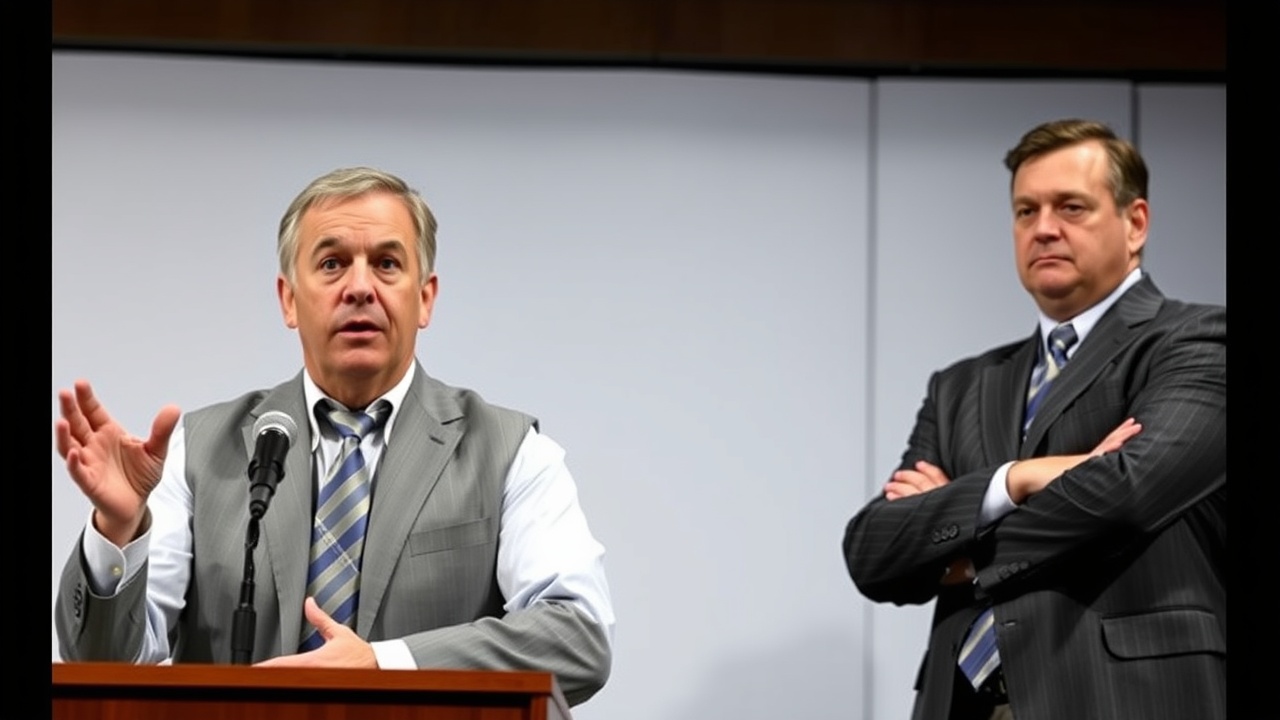
Bruce Pearl, the former head coach of Auburn University, is voicing strong criticism toward Nate Oats, current coach of Alabama, despite the fact that he is set to retire before the upcoming 2025-26 college basketball season. On February 10, during a broadcast with TNT, Pearl expressed his disapproval regarding Oats’ handling of the Charles Bediako case.
The Alabama player had recently faced a setback when a judge ruled against his attempt to secure a temporary injunction that would allow him to continue competing in college basketball after being deemed ineligible by the NCAA.
Turning Point in the Bediako Case
The case reached a significant turning point on February 9, when Tuscaloosa County Judge Daniel Pruet denied Bediako’s request, thus reversing a previous ruling from Judge James Roberts Jr. that had initially made Bediako eligible to play. This ruling followed Bediako’s earlier stint with Alabama from 2021 to 2023, where he played in a total of 82 games over three seasons in the G League, and made a brief return to the Crimson Tide in 2027.
His performance included 12 points in a recent thrilling matchup against Auburn, which resulted in a 96-92 victory for Alabama.
Pearl’s Critique of Oats
Pearl remarked on Oats’ comments concerning Bediako’s situation, asserting:
“What it tells me is that Nate doesn’t really care about the SEC. He doesn’t care about the NCAA. You might claim you care about your student-athletes, but remember the context of the conference and the NCAA. What about the other teams? Why should they have to compete against players who aren’t eligible?”
Pearl concluded that Oats’ actions were “selfish” and misplaced.
Oats’ Defense
Despite facing backlash from multiple quarters, including Pearl’s pointed critique, Oats defended Alabama’s decision to bring Bediako onto the roster, stating:
“100% it was worth it. I would do the same thing 100 times out of 100 for any of our guys that it made sense to do it with.”
This unfolding drama highlights the tension within college basketball over player eligibility and the responsibilities of coaches toward their teams and the sport itself.