
Biathlon: A Unique Blend of Sport and Military
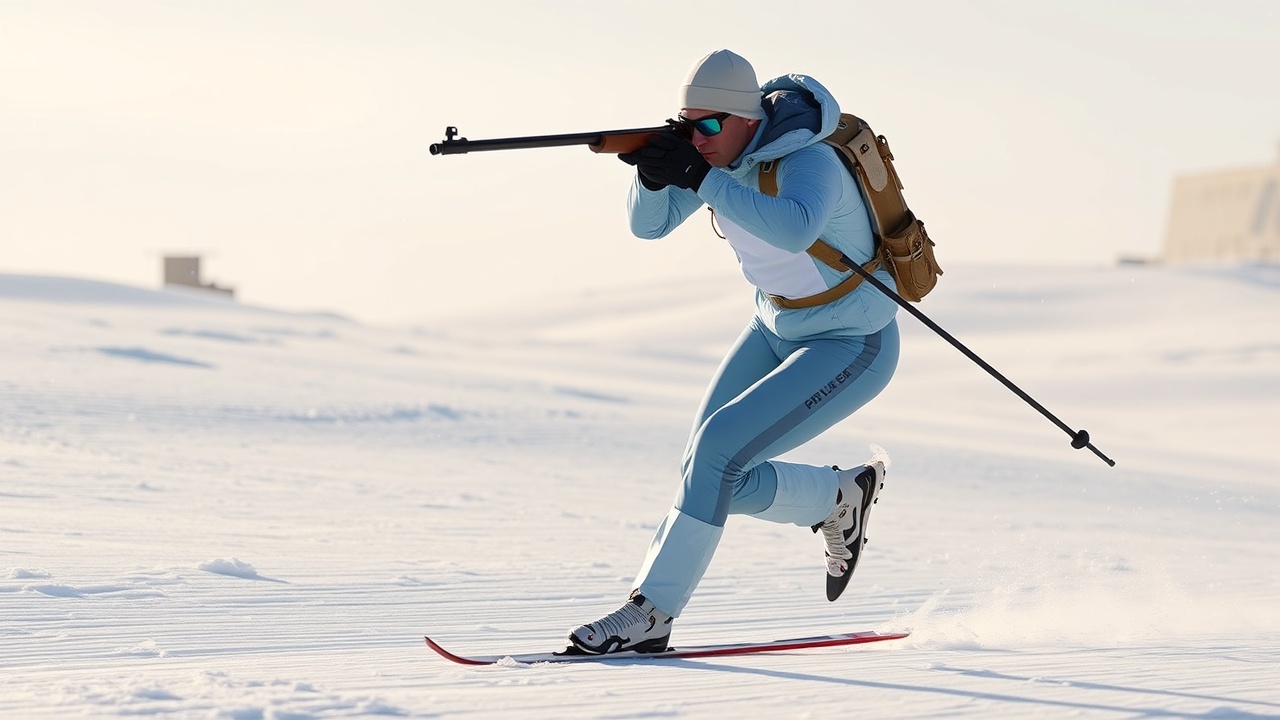
ANTERSELVA, Italy (AP) — Biathlon, a unique sport that blends the precision of rifle shooting with the endurance of cross-country skiing, has its roots in Scandinavian military training practices. Given this background, it is not surprising that among the athletes competing in the biathlon events at the Milan Cortina Winter Olympics, many hail from military and law enforcement professions, which not only enhance their competitive skills but also provide job security for their post-sport careers.
Military Connections in Biathlon
On the U.S. biathlon team, three athletes serve in the Vermont National Guard: Staff Sgt. Deedra Irwin, Spc. Sean Doherty, and Spc. Maxime Germain. Both Irwin and Doherty are part of the U.S. Army’s World Class Athlete program. Doherty, stationed at Camp Ethan Allen Training Site in northern Vermont, benefits from the site’s extensive resources, which include a biathlon training course and rifle range, according to Micah Nevard, the director of the U.S. Army’s National Guard Biathlon program.
“Training here has supported my progression in the sport, including the National Guard’s backing, which adds longevity to my athletic career and offers resources after competition,” Doherty shared with The Associated Press.
He highlighted the valuable discipline attained through both the military and athletics:
“The military aspect provides structure that complements the rigors of being a professional athlete. It pushes you out of your comfort zone and reinforces the support you have beyond your career as a racer, enabling you to focus on excellence in sport.”
International Perspectives on Military and Biathlon
This military connection in biathlon extends well beyond American borders. For instance, French gold medalists Lou Jeanmonnot and Éric Perrot both hold sergeant ranks in the French Army, while Lisa Vittozzi, who won Italy’s first Olympic gold medal in biathlon during the recent Games, is affiliated with the Italian Army’s sports program, emphasizing Italy’s commitment to supporting elite athletes through military institutions.
Similarly, in Germany, biathlon serves as a pathway to a secure job with the police or military after retirement from competition, explained German biathlon head coach Tobias Reiter. Biathletes in Germany undergo a training regimen that merges physical practice with military education at bases near major biathlon venues like Ruhpolding and Oberhof. When they retire, athletes transition seamlessly into structured careers, exemplified by German biathlete Philipp Nawrath‘s position as a police sergeant.
“It enables those without wealthy parents to compete effectively, ensuring security in case of injury or illness through job stability and insurance,” praised Peiffer, who had a decorated biathlon career before transitioning to a federal officer role.
Scandinavian Biathlon: A Different Approach
Conversely, the strong military ties seen in biathlon do not resonate as deeply in Scandinavian countries, where the sport originated. Norway and Sweden, which have produced some of the world’s top biathletes, feature mainly civilian competitors. Siegfried Mazet, head coach of the Norwegian team, noted that there are no structured military outreach programs for biathletes in Norway upon their retirement. Many former athletes like Tiril Eckhoff and Johannes Thingnes Boe have opted for careers in broadcasting rather than military service.
In Finland, while some biathletes may serve in the military, it’s neither a requirement nor a prevalent path, according to Finnish head coach Erik Torneus-Kulstad.
Conclusion
As biathlon continues to evolve as a sport, the intersections of athleticism, military service, and career stability remain significant, shaping not only the lives of competitive athletes but also the framework of the sport itself.