
Introduction to the Automated Ball/Strike System
In Scottsdale, Arizona, preparations are underway for the upcoming implementation of the Automated Ball/Strike (ABS) system in Major League Baseball stadiums, set to debut in the regular season starting this summer. Colorado Rockies’ manager Warren Schaeffer shared insights from his previous experience with the system, emphasizing the enduring significance of human judgment in the game despite the advanced technology.
Manager Insights and Emotional Dynamics
Schaeffer pointed out, “Challenges can be lost in the first inning, which can have significant ramifications. The emotional aspect of the game cannot be overlooked.”
Last year’s spring training saw the ABS system making its first appearance in big league settings, garnering diverse reactions ranging from intrigue to skepticism. However, with its inclusion in official games, teams are shifting their focus toward strategic applications of the technology.
Fan Reception and Survey Results
During the Cactus League Media Day, MLB officials highlighted the positive reception from fans; with a survey revealing that over half (52%) found the ABS system had a “very positive” impact during spring training, and an additional 20% seeing it as “slightly positive.” Only a fraction (10%) reported any negative feedback.
How the ABS System Works
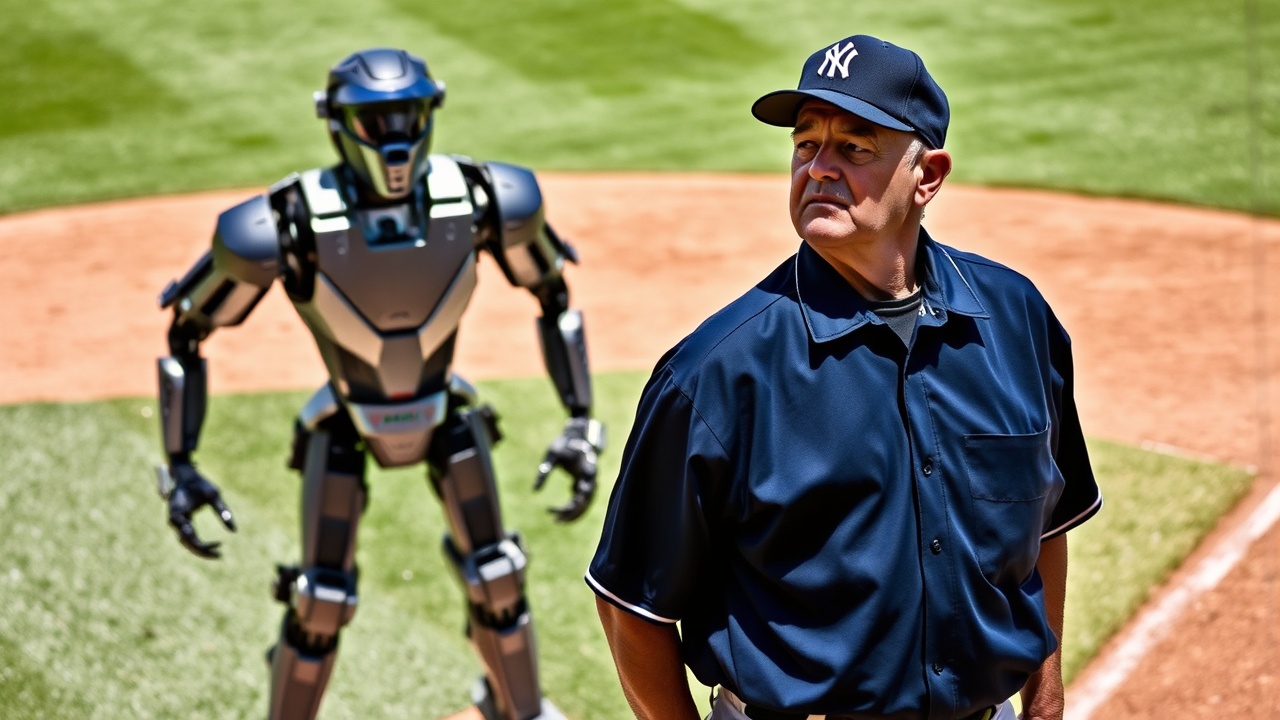
The ABS operates by utilizing advanced camera technology to monitor pitches, determining whether they fall within the strike zone. While umpires continue to make all calls, each team is allowed to contest two decisions per game, with the opportunity for extra challenges in extra innings. A successful challenge allows teams to retain their chances, echoing the format established for video review protocols that began in 2008 for home runs.
Players involved in the challenge must act quickly, signaling their intent with a tap on their helmet, and support from the dugout is prohibited. Each challenge must be initiated within two seconds of the call, with visual representations displayed on jumbotrons and broadcast feeds for audience clarity.
Strategic Advantages for Catchers and Hitters
Reflecting on the role of catchers, several MLB managers emphasized their strategic advantage based on their perspective of the game. Arizona Diamondbacks’ manager Torey Lovullo remarked about the importance of having challenges available for crucial moments, suggesting reliance on catchers for their clearer view of the action, while navigating the emotional dynamics of players.
The ABS system could provide significant advantages for hitters known for their plate discipline, such as Aaron Judge of the New York Yankees, who exhibited exceptional command of the strike zone last season. Judge led the American League with 124 walks, and Yankees manager Aaron Boone noted how players skilled at reading pitches would likely find the ABS system beneficial.
Testing and Future Implications
In the testing phase last spring, the system operated effectively in 13 ballparks, with a success rate for challenges at around 52.2%. Each player’s strike zone will be uniquely measured, accounting for height, during designated times in spring training to ensure consistent data collection.
Robust agreement among MLB executives suggests that the introduction of technology, like the ABS, will promote more consistent and fair officiating. Chris Young, president of baseball operations for the Texas Rangers, voiced support for leveraging technology to assist umpires, acknowledging the increasing complexity of the game and the challenges faced in maintaining fairness.
Conclusion
As the season approaches, the anticipation surrounding the ABS system heightens, with teams preparing to adapt and strategize for this transformative change.
Contributions to this article were made by AP Baseball Writer Ronald Blum.