
Detroit Pistons Face Tough Loss Against Spurs
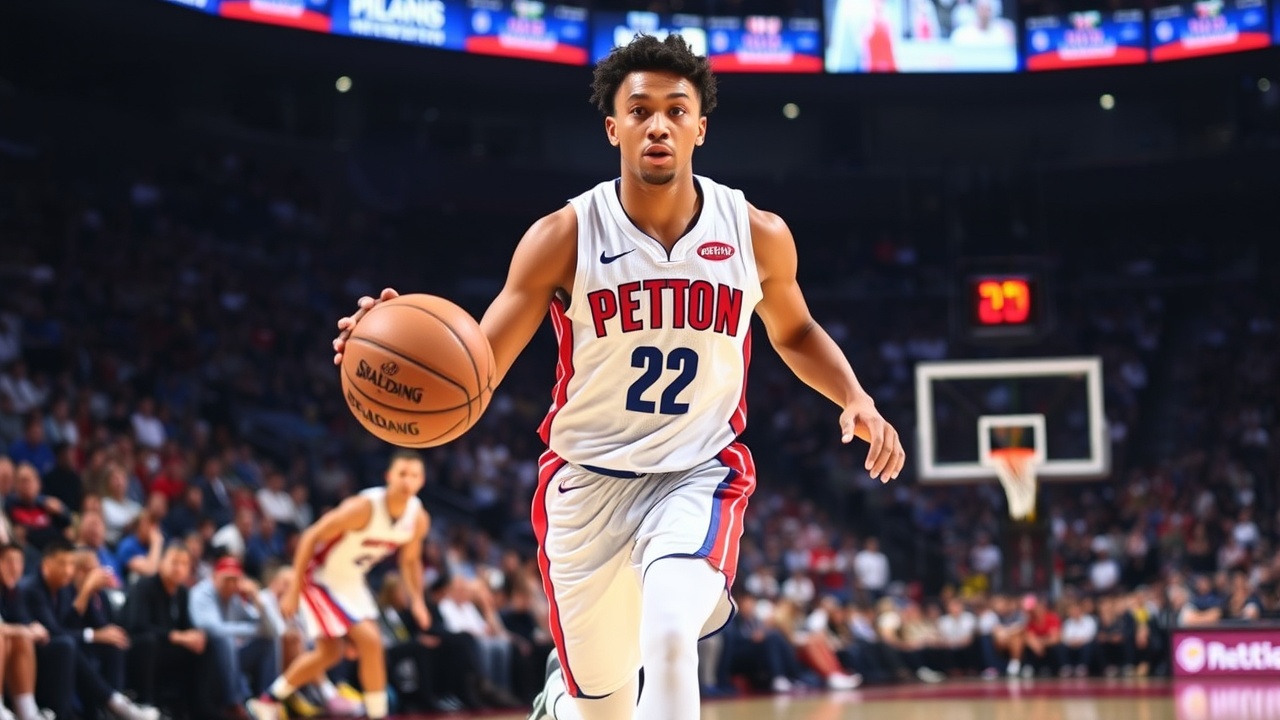
SAN ANTONIO — The Detroit Pistons faced a challenging matchup against the Spurs, suffering a 121-106 defeat on Thursday night. At the center of the struggle was Cade Cunningham, who found himself under relentless defensive pressure throughout the game. Constantly shadowed and surrounded by defenders, including Stephon Castle and Carter Bryant, Cunningham struggled to find space to operate. Although he managed to score 26 points, he needed 26 attempts and turned the ball over four times. His scoring came in spurts that felt chaotic and unsteady, reminiscent of a child desperate for attention.
Concerns Over Shooting Efficiency
This performance highlighted ongoing concerns surrounding Cunningham’s shooting efficiency. In the last three games of March, all against teams vying for playoff positioning, he has already recorded an alarming 42 missed field-goal attempts. This raises significant worries for Detroit, which relies heavily on Cunningham for offensive production and lacks a reliable second option.
Pistons coach J.B. Bickerstaff acknowledged San Antonio’s solid defensive effort, noting, “They have a lot of players who apply pressure and can trust their rim protector behind them. It’s my job to create space and opportunities for our players, and we’ll look at the film to improve.”
Depth and Competition in the Eastern Conference
As the season progresses, the concern is whether Detroit has enough depth to compete against other contenders in the Eastern Conference. Detroit’s current net rating appears promising on paper, resembling those of championship-caliber teams from previous years, including the 2005 Spurs and the 2009 and 2020 Lakers. However, the Pistons are increasingly aware of the fierce competition around them. Teams like Cleveland and Boston seem unfazed by their encounters with Detroit, with the Celtics poised for a major boost with Jayson Tatum returning from injury.
The glaring issue for the Pistons remains their lack of secondary scoring options. Unlike their rivals, they struggle to find effective players to relieve some of the offensive burdens from Cunningham, especially after failing to replace Malik Beasley adequately. The roster, filled with players who have significant weaknesses, lacks the depth necessary to support a playoff push.
Progress and Future Challenges
Despite the challenges, Detroit’s journey has been impressive, transforming into a competitive team after a period of rebuilding. Center Isaiah Stewart reflected on their progress, emphasizing their rise from the bottom. Nonetheless, uncertainty lingers about maintaining this trajectory in future seasons.
Optimizing Strategy for Playoffs
As the playoffs near, it becomes increasingly vital for the Pistons to optimize their strategy. Their current approach relies heavily on Cunningham, who leads the team in minutes and efficiency metrics. When he is on the court, Detroit’s offensive output soars, but this drops significantly when he rests — underscoring the team’s dependence on him.
Moreover, while the Pistons excel at scoring in the paint, they have fallen short in perimeter play, ranking amongst the lowest in three-point shooting since the All-Star break. This is troubling, given the high number of paint touches they generate but accompanied by poor shooting rates.
Pathways to Improvement
There are potential pathways to improvement as players like Ausar Thompson and Tobias Harris step up to make plays. Harris’s ability to stretch the floor may prove crucial, while Thompson is showing growth in playmaking ability. Emphasizing ball movement and converting opportunities around the rim into three-point shots can open up Detroit’s offense, assuming they can integrate new acquisitions effectively.
The Pistons must find ways to alleviate the pressure on Cunningham if they hope to navigate the difficult landscape of the Eastern Conference playoffs. With playoff intensity looming, having only one dominant player will not suffice; other team members need to contribute significantly to share the load moving forward.