

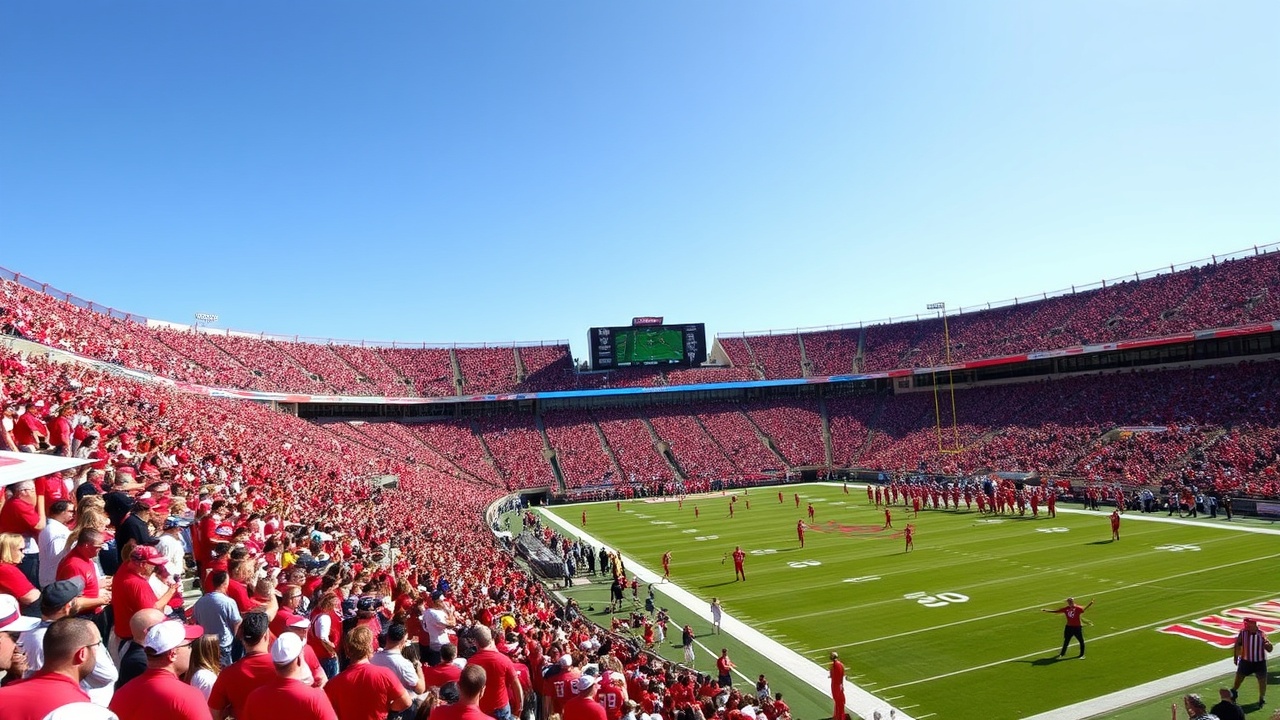
Overview of the Season
In a tumultuous season marked by legal disputes, financial anxieties, and unprecedented coaching shifts, college football ends with a championship game spotlighting Indiana and Miami. This matchup comes amidst ongoing challenges that have plagued the sport since last summer, when a federal ruling allowed schools to allocate up to $20.5 million for player compensation. Despite hopes for a period of stability, the landscape quickly devolved into a series of controversies, highlighting the sport’s ongoing struggles with eligibility lawsuits, the complexities of the transfer portal, and prospects for the College Football Playoff’s future.
Financial Implications and Institutional Challenges
NCAA President Charlie Baker articulated the current state of disarray, attributing it to the rapid influx of changes and the subsequent struggle for clarity. The financial implications of player compensation have sparked debates on institutional budgets, especially as schools search for new revenue streams to manage the resultant cost burden. An attempt to bring private investments into college sports exemplifies this financial urgency, especially seen in the Big Ten Conference. In this league, Michigan and Southern California expressed concerns over a proposal that aimed to pool media rights and secure $2.4 billion from a segment of the University of California pension fund, prompting allegations of coercive tactics by the conference.
Transfer Portal and Player Movement
As the NCAA introduced changes to the transfer portal by reducing its operational windows, the intent was to manage player movement better. However, the result was an explosive increase in transfers, with approximately 3,000 football players entering during the initial portal opening. Notably, the Washington quarterback Demond Williams Jr. initially pursued transferring away from a lucrative NIL deal only to reverse course due to pressure. This year also showcased significant NIL negotiations, with Texas Tech’s quarterback Brendan Sorsby making headlines for a reported transfer worth between $5 million and $6 million.
Legislative Efforts and Governance Challenges
The congressional push for a more structured governance of college sports appeared promising but ultimately stalled. Lawmakers grappled with the implications of a proposed SCORE Act which included a limited antitrust exemption for the NCAA and sought to establish comprehensive legality in terms of athletes’ eligibility. As the NCAA currently faces 49 lawsuits in this domain, the financial toll on the organization is extensive, with each trial costing millions.
Coaching Changes and Financial Stakes
Coaching changes have been equally pronounced this season, with a record 32 transitions among major programs. Among the notable financial commitments, Penn State faced a potential $45 million penalty after firing James Franklin, although this figure was reduced when he accepted a new position at Virginia Tech. Similarly, the athletics landscape saw LSU obligated to pay Brian Kelly a hefty $54 million following his dismissal, a reflection of the escalating financial stakes in collegiate coaching.
Playoff Structure and Future Uncertainties
As Miami prepares for the championship, the larger question of the playoff’s structure looms. ESPN has set a tight deadline for conference leaders to decide whether to maintain the playoff system at 12 teams or consider further expansion, amidst disagreements primarily between the powerful Big Ten and Southeastern conferences. Miami’s unexpected advancement to the title game reveals the volatility of rankings yet underscores the ongoing evolution of the competition.
Off-the-Field Incidents and Legacy Challenges
Lastly, the landscape has been colored by off-the-field incidents, from Michigan’s coaching upheaval involving Sherrone Moore to controversies surrounding gambling regulations in college sports. The loss of influential figures like Roy Kramer and Chuck Neinas also casts a long shadow, highlighting both the progress and the challenges that continue to shape college football’s current era. As fans anticipate the title clash, the unresolved issues persist, hinting at a future still fraught with uncertainty.