
Enhancing Pace in the NBA
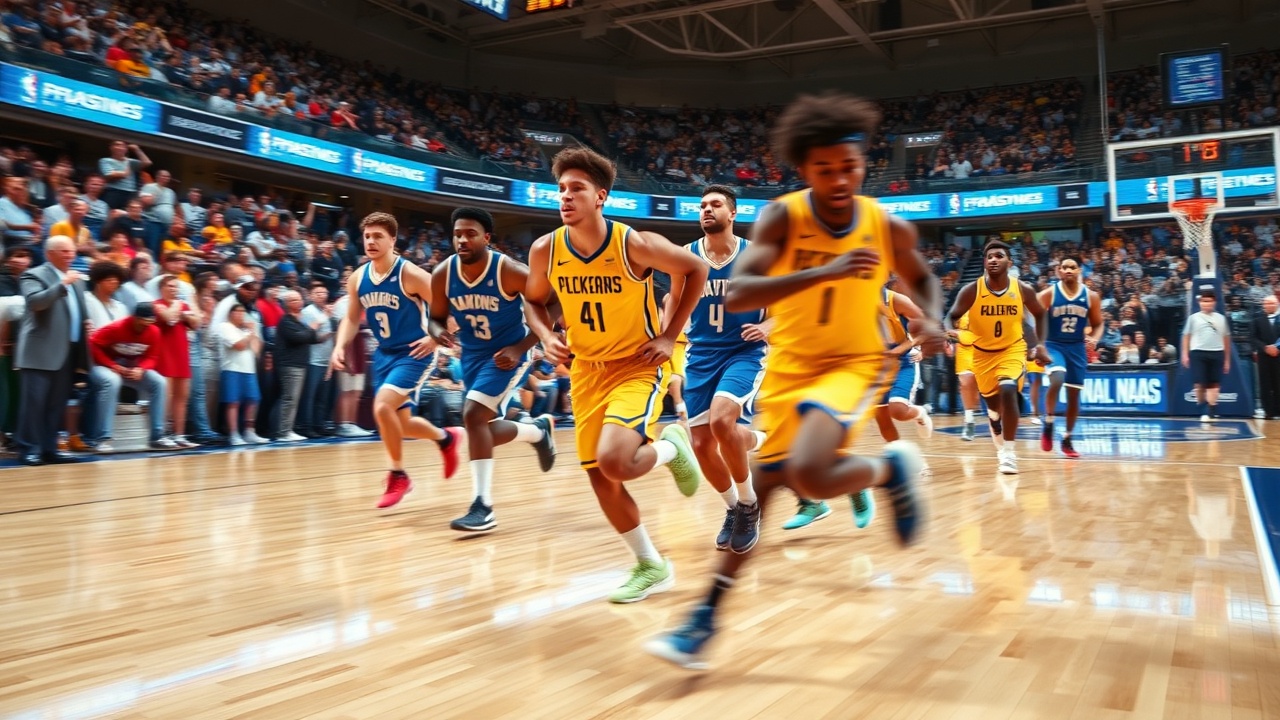
As fall descends, a familiar mantra echoes through the National Basketball Association: teams express a desire to enhance their pace. This year is no exception, with franchises like the New York Knicks, Miami Heat, and Orlando Magic all vocalizing their intent to speed up their gameplay. In fact, the majority of the league’s coaching staff have likely deliberated on this topic during the offseason, as the NBA increasingly embraces a high-tempo, space-utilizing philosophy. Currently, an unprecedented 18 teams are averaging over 100 possessions per game, a stark shift from just a decade ago when only two teams, including the record-setting Golden State Warriors, achieved triple-digit possessions.
Efficiency vs. Speed
New York Knicks head coach Mike Brown emphasized the efficiency associated with a faster style, saying,
“We want to keep playing quick because it’s effective for our offense.”
However, a perplexing trend has emerged: those teams that adhere most strictly to a rapid pace often find themselves struggling offensively, contrary to the expectation that speed should correlate with scoring efficiency.
Analyzing the data, we observe that none of the top 10 fastest teams this season appear in the top 10 for offensive efficiency. In fact, only two, the Atlanta Hawks and the Minnesota Timberwolves, rank in the upper echelons of their conference standings. At the same time, the fastest-paced teams often occupy the lower rungs of the offensive efficiency ladder, with some of the worst offenses colliding with quick play styles.
In stark contrast, the bottom 10 teams in pace include five that rank among the top 10 in offensive efficiency, suggesting a more methodical approach yields better results in scoring. This pattern points toward the Boston Celtics and New York Knicks, who boast impressive offensive ratings despite ranking low in pace metrics. The Denver Nuggets exemplify this trend, holding the most efficient offense while being 20th in pace.
Statistical Insights
Statistically, teams with slower tempos outscore their faster counterparts by an average of 3.1 points per 100 possessions—a significant discrepancy marking the largest gap recorded since advanced stats began tracking in the 1996-97 season. To unravel this disparity, one theory centers on Goodhart’s Law, which posits that once a metric becomes a target, it loses its effectiveness as a reliable measure. When teams overemphasize quick shots to meet a perceived ideal, they can unintentionally compromise offensive quality, leading to poor shooting outcomes especially from contested positions.
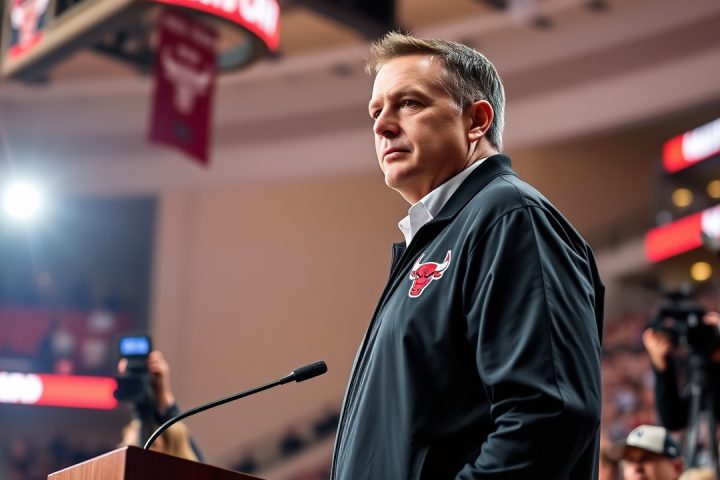
Billy Donovan, head coach of the Chicago Bulls, articulated this dilemma as his team strives for quick shot opportunities that may not always yield high-percentage looks. The Bulls rank poorly in turnover rates and offensive rebounds, which can undermine their pace-driven strategy. Donovan notes that while his team generates good shooting opportunities, they must also focus on solid fundamentals like rebound security and turnover management to enhance their scoring effectiveness.
Future Implications
Illuminating the conundrum further, a notable selection bias is seen among the fastest teams this season, many of which lack elite offensive talent. For instance, only a handful of All-Stars hail from teams leading in pace, while a significant portion of high-caliber players comes from teams employing a more sluggish style.
As the NBA season progresses into its critical playoff phase, the current trend suggests that slower, more deliberate teams could thrive. Historically, pace decreases in the postseason as pressure mounts and teams adapt their strategies. This season’s context indicates that while many lower-paced teams appear in playoff positions, they are poised for a bulk of potential success—importantly aligning this slowing trend with core team strengths and individual player talents. The implication for the playoffs could be a distinct shift toward classic, methodical basketball as franchises prepare to leverage their strengths on the biggest stage of the sport.