
Abel Sanchez on Mayweather vs. Pacquiao Rematch
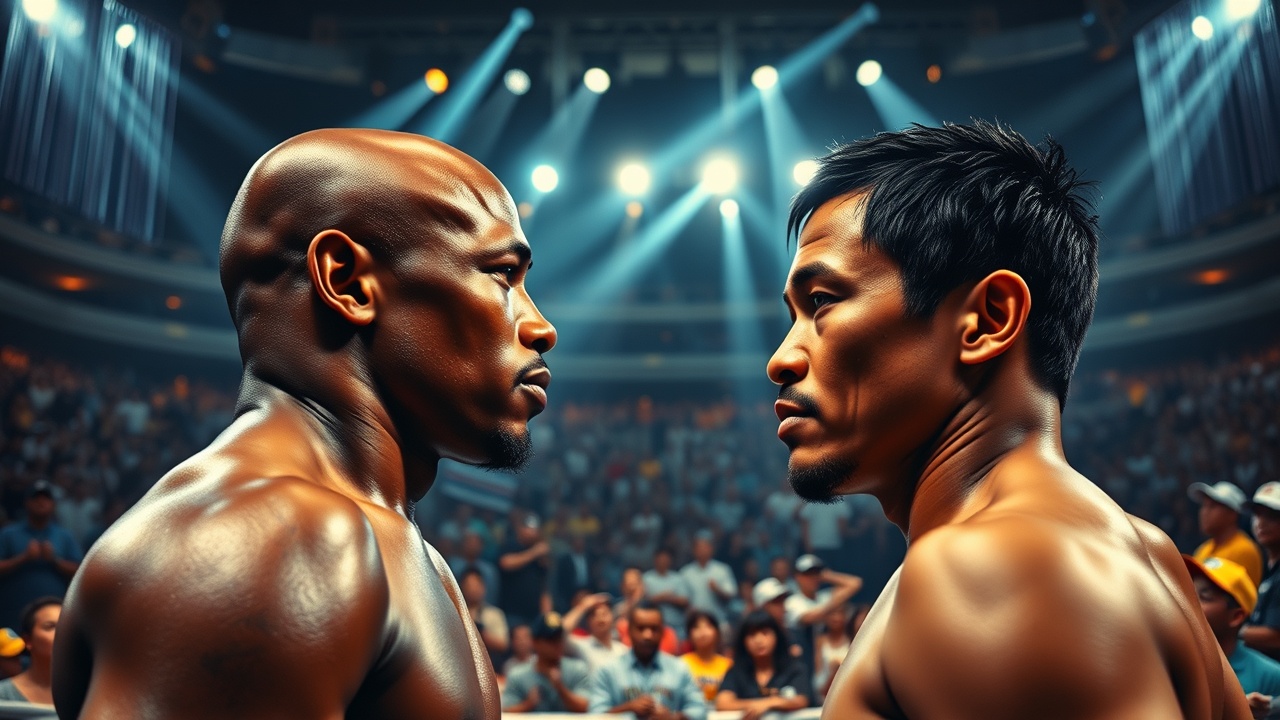
Abel Sanchez, an esteemed trainer known for coaching Gennadiy Golovkin, has expressed skepticism regarding the significance of a potential rematch between boxing legends Floyd Mayweather and Manny Pacquiao. He firmly believes that the allure of this matchup has faded. In an interview with Fight Hub TV, Sanchez was direct in his dismissal, stating:
No. Not for me. I think that fight’s gone, and they already had one. We don’t need another one.
Focus on Emerging Talents
While Sanchez recognizes the financial incentives and entertainment value a second fight could yield for both fighters, he argues that the focus of boxing should shift towards emerging talents rather than revisiting past glories. “Let’s give the younger champions, the ones who are working hard, the stage they deserve,” he remarked, emphasizing the importance of nurturing the future of the sport.
Pacquiao’s Stance on the Rematch
The discussion surrounding the rematch has ignited further after Pacquiao insisted that if the fight were to happen, it must be a fully sanctioned professional event, not just an exhibition as Mayweather has implied. Pacquiao has firmly maintained his stance, stating that it must be a “real fight or nothing” as details about the proposed matchup continue to generate buzz.
To clarify the intentions behind the rematch, Pacquiao released a statement asserting that both parties had agreed to a professional bout, countering what he described as “misinformation” about the event’s structure. Tensions escalated when allegations surfaced that both fighters had received payments tied to conditions related to the rematch, potentially jeopardizing Mayweather’s perfect 50-0 record. If contractual obligations are enforced, the stakes could rise significantly, challenging whether Mayweather would risk his unbeaten status once again.
Fan Perspectives and Boxing’s Future
Despite Sanchez’s viewpoint, many fans and analysts might argue otherwise. The significance of their first encounter and the substantial revenue it generated maintain both fighters’ chart-topping relevance. Although the inactivity of both Mayweather and Pacquiao raises concerns that their rematch would not provide a genuine benchmark for contemporary boxing quality, it could still serve as an opportunity to recapture the excitement that was initially anticipated in 2015—before their first showdown ultimately disappointed spectators.
Additionally, the storyline surrounding Mayweather’s quest to stay undefeated adds another layer of intrigue. If the match were to proceed as Pacquiao’s camp insists, Mayweather’s undefeated record would be on the line once more. The prospect of Mayweather potentially falling to 50-1 against a more active Pacquiao would undoubtedly shift the competitive dynamics of the bout.
Conclusion: The Complexity of Boxing Rivalries
While Sanchez’s argument for prioritizing the next generation of boxers is valid, the rich history of boxing is often complicated by unresolved rivalries, hindered by promotional wars and contrasting contracts. These factors have delayed definitive outcomes in many high-profile matchups. Pitting Mayweather and Pacquiao against each other again might not be out of place, particularly when the sport today is more open to revisiting iconic rivalries, even if both legends are in the twilight of their careers.
In this evolving landscape of boxing, the question may not lie in the relevance of such a rematch but rather whether the sport will witness another rivalry that holds the same gravity in the future.